The Medium Doesn’t Matter: Celebrating Women Who Tell Our Stories
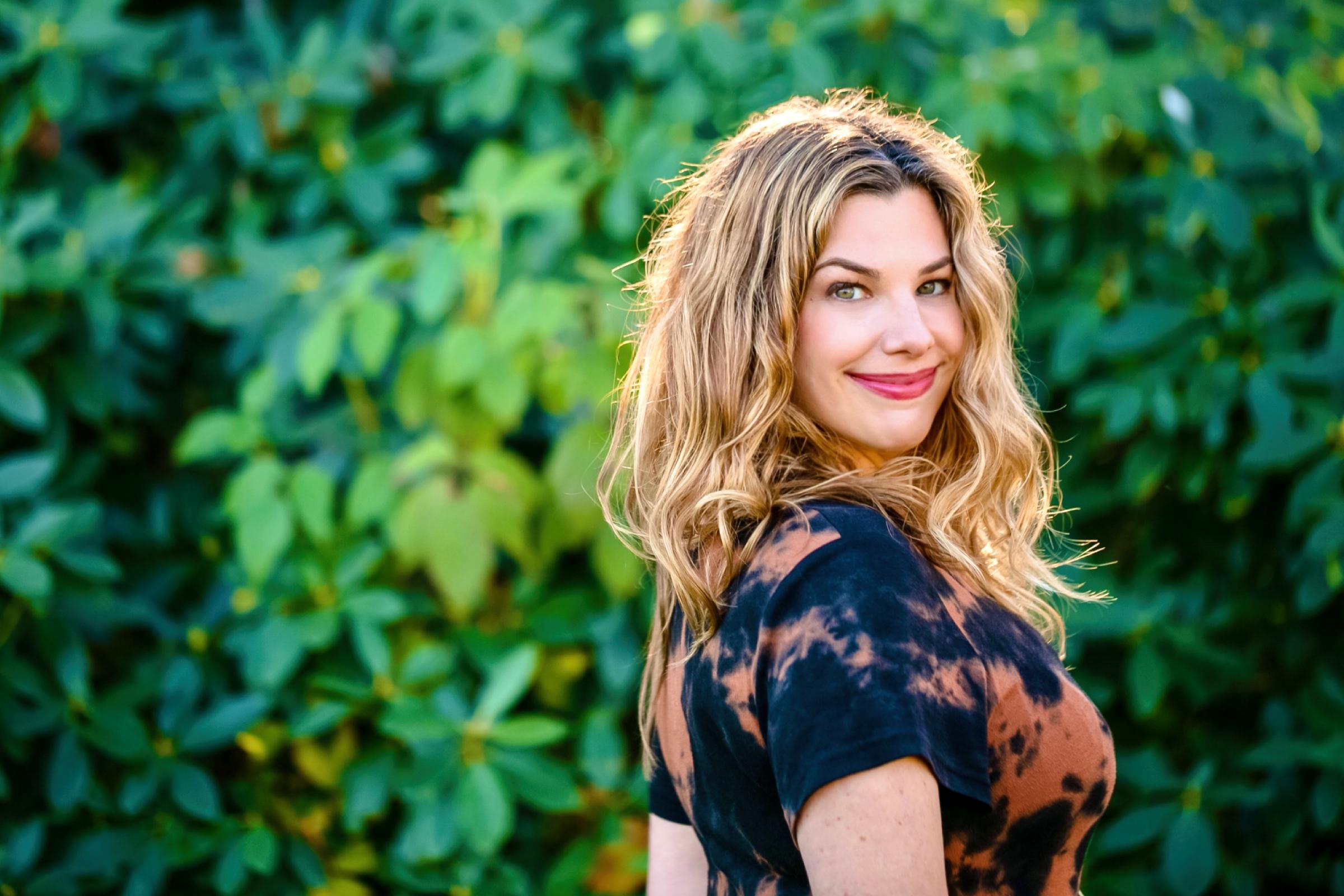
By Rebecca Soffer
I’ll never forget the very first moment of the very first party I attended after my mom was killed in a car accident. I was 30 and a single New Yorker, and after a few months of avoiding large, raucous social gatherings – I’d been in such enormous shock from it all that for a long time, even listening to my beloved music was sensory overload – it felt like it was time to dip one little toe back into the churning waters of socialization.
But as soon as I walked into the room, I could hear an imaginary record screeching to a halt. It felt like everyone I knew who had previously been laughing and carefree was suddenly whispering versions of “There’s Rebecca. Her mom just died…she must be a complete disaster,” and throwing me furtive looks conveying the weird mixture of pity and curiosity that grievers are so used to receiving but always make them feel even worse somehow.
I didn’t want pity, though. Yes, my mom had died. Yes, it was in a terrible way. And yes, I was, indeed, a complete disaster. Some days even just putting on deodorant made me feel like I was winning at this grief thing.
Instead, I wanted empathy. I wanted people who cared about me (and even those who didn’t!) to know how much pain I was in. How alone in the world I felt during both the bookend hours of each day and also in the most crowded of places. How I was struggling to come up with new ways to communicate with my father in the absence of my mother. How scary it was to consider moving through life without my “person” to support and cheer me on as I hit all the milestones I aspired to hit.
But I also wanted them to know that I was more than my grief. That I somehow managed to get promoted at work in the throes of this disaster, and that my loss was somehow making me even more professionally ambitious than I’d been beforehand, because I was painfully aware that nobody is guaranteed a certain timeline. I wanted them to know that most of the time I preferred to talk about politics and Broadway and travel adventures instead of feeling like the alien in the room to whom people would only ask “how are you?” That I was starting to figure out how to use dark humor as a coping mechanism to save my sanity. That I so badly wanted to be okay-ish again.
In short, I wanted to be able to speak for myself, instead of having people assume they knew how I was grieving, and living. And in time, I did. It was scary at first. Being vulnerable can feel that way. But I figured, hey, the worst has already happened. How much more painful could it get?
As I started getting more comfortable sharing my own perspective with friends, coworkers, acquaintances and even strangers through some writing, it felt like an enormous weight was starting to lift from my shoulders; as though all the energy I’d been using to pretend I was fine had been freed up to use on other things, like acknowledging that I wasn’t fine and actually taking care of myself. I was asking for people to be witnesses to what I was actually going through instead of what they assumed I was. It was grounding to feel like I had a sense of control within an experience that had very little control: grief.
That exact feeling is what I hoped to provide to others through Modern Loss, which I co-founded in 2013 with my friend Gabi Birkner. Over the last ten years, we’ve published thousands of original personal stories that are narrowly focused around one aspect of someone’s experience with loss. Our mission? To show, through storytelling, how grief can impact every single aspect of life, from finances to intimacy to how we decide to parent, and even how we decide to make decisions. And we do it through giving people who need witnesses to their story an audience that wants to read it.
Frequently, we think of “storytelling” as a lofty endeavor for people who have large platforms, or at least for those who feel comfortable with their writing and speaking styles. But the secret is that anyone who has something to say and says it in a way that is honest and real can have an enormous impact on how we look at the important things in life. A simple TikTok post about missing your mom can spark as much empathy in a viewer just as much as a 300-page grief memoir can impact another. The medium doesn’t matter. The message does.
Rebecca Soffer is cofounder of the Modern Loss community, a globally-accomplished public speaker, and author of the bestselling book The Modern Loss Handbook: An Interactive Guide to Moving Through Grief and Building Your Resilience.